
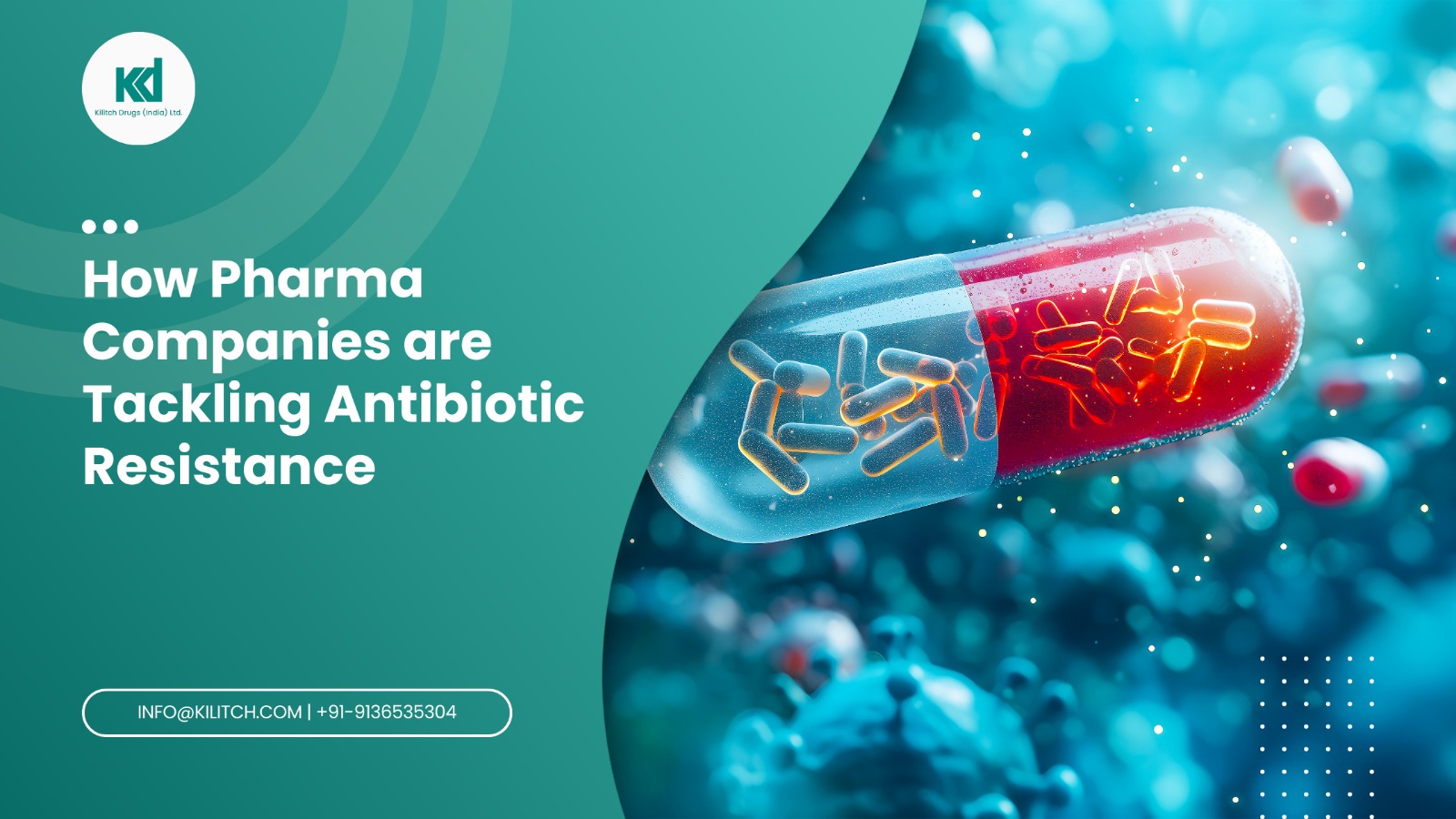
Antibiotic resistance has emerged as one of the most pressing global health challenges today. Infections that were once easily treatable with common antibiotics are increasingly difficult to manage. This is leading to prolonged illnesses, higher healthcare costs, and more deaths.
The rise of antibiotic resistance is largely due to the overuse and misuse of antibiotics. It is crucial for pharmaceutical companies to step up their efforts in combating this growing crisis. But how are pharma companies rising to the challenge?

The Growing Threat of Antibiotic Resistance
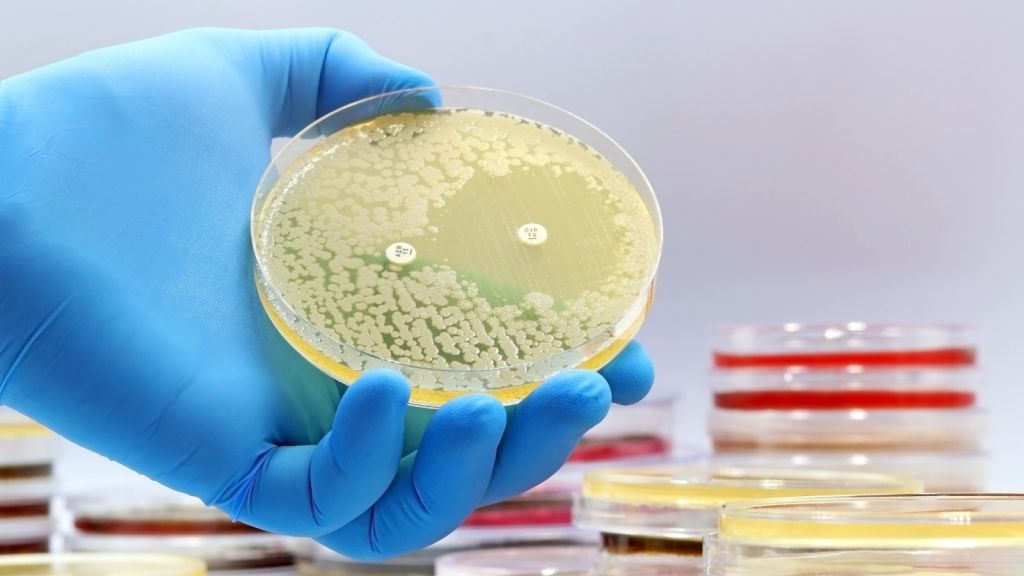
Antibiotic resistance occurs when bacteria evolve mechanisms that render medications ineffective. This phenomenon is not new, but its scale and urgency have drastically increased in recent years. According to the World Health Organization (WHO), antibiotic resistance could cause 10 million deaths annually by 2050 if left unchecked.
Several factors contribute to the problem, including the inappropriate use of antibiotics in both human healthcare and agriculture. Bacteria develop resistance through genetic mutations, horizontal gene transfer, or acquiring resistance genes from other organisms. The WHO identifies key bacterial strains—such as Escherichia coli, Staphylococcus aureus, and Mycobacterium tuberculosis—as primary contributors to resistance. These bacteria have evolved resistance to multiple antibiotics, including those of the penicillin, cephalosporin, and fluoroquinolone classes.
New Antibiotics Development: A Critical Area of Focus
For pharmaceutical companies, the development of new antibiotics is a top priority. However, this is not without its challenges. Developing a new antibiotic requires years of research, substantial investment, and navigating a highly regulated landscape. Resistance continues to outpace the development of new drugs, with several antibiotics falling out of favor due to resistant strains of bacteria.
There is a critical need for antibiotics that can target resistant bacteria, especially those that have evolved resistance to multiple drugs, including the multidrug-resistant (MDR) and extensively drug-resistant (XDR) strains. Research into antibiotic resistance is focusing on several promising avenues. New classes of antibiotics are being explored, including those targeting bacteria in entirely novel ways.
For example, researchers are investigating compounds that can inhibit bacterial cell wall synthesis (such as beta-lactam inhibitors). Others are exploring bacteriophage therapy, which uses viruses that naturally attack bacteria, offering a natural alternative to antibiotics. These innovations hold the potential to combat resistant infections.
How Pharmaceutical Companies Combat Antibiotic Resistance
Pharmaceutical companies are deploying multiple strategies to combat antimicrobial resistance (AMR). One key approach is antibiotic resistance research and innovation, aimed at discovering novel compounds or repurposing existing drugs to target resistant bacteria.
Combination therapies are one key strategy. These involve pairing existing antibiotics with drugs that enhance their effectiveness or prevent bacterial resistance mechanisms, like beta-lactamase inhibitors in combination with penicillin. This approach extends the life of current antibiotics while offering more treatment options for resistant infections. Another class of antibiotics, macrolides, is frequently paired with other drugs to combat resistance.
Pharma companies are also focusing on improving the stewardship of existing antibiotics. This includes advocating for responsible use in both human medicine and agriculture. The misuse of antibiotics—such as taking them for viral infections, using them for the wrong type of bacteria, or not completing prescribed courses—contributes heavily to resistance. By promoting guidelines for appropriate prescribing practices and educating patients and doctors alike, pharmaceutical companies are helping reduce overuse.
The Role of Pharma in Tackling AMR
The role of pharma in antimicrobial resistance is multifaceted. Beyond developing new drugs, pharmaceutical companies are educating healthcare professionals, governments, and the public about the dangers of antibiotic resistance. This includes campaigns about the risks of overusing antibiotics and the importance of completing prescribed courses.
Pharma companies are also collaborating with governments and international organizations to address AMR on a global scale. These partnerships ensure research efforts are coordinated, funding is available, and the most pressing threats are prioritized.
International collaboration is essential. Resistant infections do not respect borders, and a collective response is needed. The current focus on carbapenem-resistant Enterobacteriaceae (CRE), vancomycin-resistant Enterococci (VRE), and methicillin-resistant Staphylococcus aureus (MRSA) highlights the need for global strategies to tackle the rise of resistant bacteria.
Strategies to Fight Antimicrobial Resistance
While the challenge of antimicrobial resistance is immense, several strategies are being implemented to help mitigate the problem. One promising strategy is the push for preventative measures. These include better diagnostics to ensure antibiotics are only used when necessary, as well as improved infection prevention in healthcare settings through sanitation and vaccination. The WHO recommends using vaccines to prevent bacterial infections, reducing the need for antibiotics altogether.
Governments are incentivizing the development of new antibiotics. Financial rewards or extended patents are offered to companies that develop effective treatments. However, these incentives alone are not enough to solve the issue. A comprehensive, long-term approach, including global collaboration, better stewardship practices, and continued innovation, will be necessary to tackle antibiotic resistance.
Conclusion
The rise of antibiotic resistance is a global health crisis that demands urgent action. Pharmaceutical companies play a critical role in addressing this threat. They are driving research, innovation, and strategies to fight antimicrobial resistance.
Though significant challenges in antibiotic development remain, the pharmaceutical industry continues to push the boundaries of science to discover new treatments and extend the life of existing antibiotics. Kilitch Drugs (India) LTD is committed to advancing this important cause, contributing to antibiotic resistance research and innovation. Their efforts are crucial in safeguarding the availability of effective treatments for future generations.


1 Comment
Manjeet singh
Nice Blog